Which Fabrics Are Actually Safe for Newborn Skin? A Textile Guide
When I brought my first baby home, I had a dresser full of adorable outfits — and absolutely no idea what half of them were made of. It wasn't until my daughter broke out in a rash from a cute polyester onesie that I started flipping tags and reading fiber content like it was an ingredient label. Because, honestly, it kind of is.
Your baby's clothing is the thing that sits against their skin for the vast majority of the day and night. What that clothing is made of matters more than most of us realize. So let's break it down — fabric by fabric — so you can make confident choices the next time you're shopping for your little one.
Why Fabric Choice Matters for Babies
Newborn skin is fundamentally different from adult skin. It's up to 30% thinner, which means it absorbs substances more readily and loses moisture faster. Their skin barrier is still developing during those first months of life, making them far more vulnerable to irritants, allergens, and chemicals that an adult would never even notice.
Think about how much time your baby spends wrapped in fabric. Between onesies, sleepers, swaddles, blankets, and crib sheets, their skin is in near-constant contact with textiles. That makes the fabric you choose one of the most important — and most overlooked — decisions in your baby care routine.
The wrong fabric can lead to:
- Skin irritation and rashes from rough textures or chemical residues
- Overheating from fabrics that trap heat and moisture
- Allergic reactions from dyes, finishes, or synthetic fibers
- Disrupted sleep when baby is too hot, too cold, or uncomfortable
The good news? Once you know what to look for, choosing safe fabrics becomes second nature.
The Safe Fabrics
Organic Cotton — The Gold Standard
If you only invest in one type of fabric for your baby, make it organic cotton. It's the most widely recommended material for newborn clothing, and for good reason.
Organic cotton is breathable, soft, hypoallergenic, and free from the pesticides and synthetic fertilizers used in conventional cotton farming. It's gentle enough for the most sensitive skin and durable enough to survive countless wash cycles.
Look for GOTS (Global Organic Textile Standard) certification on the label. This is the highest standard for organic textiles and ensures the entire supply chain — from the raw fiber to the finished garment — meets strict environmental and social criteria. A GOTS label means no toxic dyes, no harmful chemical finishes, and fair labor practices throughout production.
Organic cotton works beautifully for everyday basics: bodysuits, sleepers, hats, socks, and swaddle blankets.
Bamboo and Bamboo Viscose — Silky Soft with a Caveat
Bamboo fabric has surged in popularity in the baby clothing world, and it's easy to see why. It's incredibly soft — often compared to silk or cashmere — and has some genuinely impressive properties. Bamboo is naturally antibacterial, moisture-wicking, and thermoregulating, which means it helps keep baby comfortable in both warm and cool conditions.
However, there's an important distinction to understand. Most "bamboo" baby clothing is actually bamboo viscose (or bamboo rayon), which is produced through a chemical process that breaks down the bamboo pulp. While the finished fabric is safe and gentle on skin, the manufacturing process involves chemicals that raise environmental concerns.
If sustainability matters to you alongside safety, look for bamboo clothing made using the lyocell process (sometimes branded as bamboo lyocell or TENCEL), which uses a closed-loop system that recycles the solvents used in production. For skin safety alone, bamboo viscose is still an excellent choice — just know the full picture.
Muslin — The Breathable Classic
Muslin is a loosely woven cotton fabric that has been used for baby care across cultures for centuries. Its open weave makes it exceptionally breathable, lightweight, and quick-drying.
Muslin is the go-to fabric for swaddle blankets, burp cloths, and warm-weather clothing. It gets softer with every wash, which is a wonderful bonus when you're doing laundry every other day. If you live in a warm climate or your baby tends to run hot, muslin basics are a must-have.
Organic muslin gives you the best of both worlds — the breathability of the weave combined with the purity of organic cotton fiber.
Merino Wool — Nature's Temperature Regulator
This one surprises a lot of parents. Wool? For a baby? But merino wool is nothing like the scratchy sweaters of your childhood. Fine-grade merino is soft, lightweight, and one of the best temperature-regulating fabrics available.
Merino wool is naturally antimicrobial, meaning it resists odor and bacteria without chemical treatments. It can absorb up to 30% of its weight in moisture without feeling wet, which makes it exceptional for sleepwear and base layers. It keeps baby warm when it's cold and cool when it's warm — a genuinely impressive trick.
Look for merino products that are machine washable and free of chemical treatments like superwash coatings, which use chlorine-based processes.
Fabrics to Approach with Caution
Polyester
Polyester is one of the most common fabrics in baby clothing, especially in budget-friendly options. Unfortunately, it's also one of the least ideal for newborn skin. Polyester traps heat, doesn't breathe well, and can cause irritation in babies with sensitive skin. It's also a petroleum-based synthetic, meaning it doesn't biodegrade and can release microplastics during washing.
Conventional (Non-Organic) Cotton
Regular cotton isn't dangerous, but it's worth knowing that conventional cotton is one of the most pesticide-intensive crops in the world. Residues from these chemicals can remain in the finished fabric. For everyday items that sit directly against your baby's skin all day, organic is the safer bet when your budget allows.
Synthetic Fleece
Fleece is warm and cozy, but it's made from polyester and comes with the same drawbacks — poor breathability, microplastic shedding, and a tendency to cause overheating. It can also generate static, which is uncomfortable against delicate skin. If you use fleece, keep it to outer layers rather than direct-to-skin garments.
Nylon and Acrylic Blends
These synthetic fabrics are common in decorative baby clothing and accessories. They're not breathable, can irritate sensitive skin, and often contain chemical dyes and finishes. Reserve these for special-occasion outfits worn for short periods, not for daily wear or sleep.
What to Look For on Labels
Navigating fabric certifications can feel overwhelming, but there are really only a few you need to know:
- GOTS (Global Organic Textile Standard) — The gold standard for organic textiles. Ensures organic fiber content, safe dyes, and ethical manufacturing.
- OEKO-TEX Standard 100 — Tests the finished product for harmful substances. A product certified as "Class I" has been tested specifically for baby safety. This is one of the most accessible certifications and appears on a wide range of products.
- USDA Organic / EU Organic — Certifies the raw fiber was grown organically, though it doesn't cover the full manufacturing process the way GOTS does.
When in doubt, OEKO-TEX Standard 100 Class I is the easiest certification to find and gives you solid assurance that the fabric has been tested for hundreds of harmful substances at levels safe for babies.
Washing New Baby Clothes Before First Wear
This step is non-negotiable. Always pre-wash baby clothing before your little one wears it. New garments can carry chemical residues from manufacturing, sizing agents that make fabric look crisp on the shelf, and dyes that haven't fully set.
Here's how to do it right:
- Use a fragrance-free, dye-free detergent formulated for sensitive skin or specifically for babies
- Skip the fabric softener — it coats fibers with chemicals and can irritate newborn skin
- Wash on a gentle cycle with warm (not hot) water for the first wash
- Dry on low heat or air dry to preserve fabric integrity
- Wash separately from adult clothing for at least the first few months
If your baby has particularly reactive skin, consider doing an extra rinse cycle to ensure all detergent residue is removed.
Budget-Friendly Tips
Going all-organic on everything isn't realistic for most families, and that's completely fine. Here's how to prioritize:
- Focus your organic budget on the basics — bodysuits, sleepers, and swaddles that sit directly against skin for long periods
- Use conventional cotton or blends for outerwear — jackets, hats for outdoor use, and layering pieces that don't touch skin directly
- Shop second-hand — used baby clothes have already been washed dozens of times, which means most chemical residues are long gone. Thrifted organic cotton is a fantastic deal
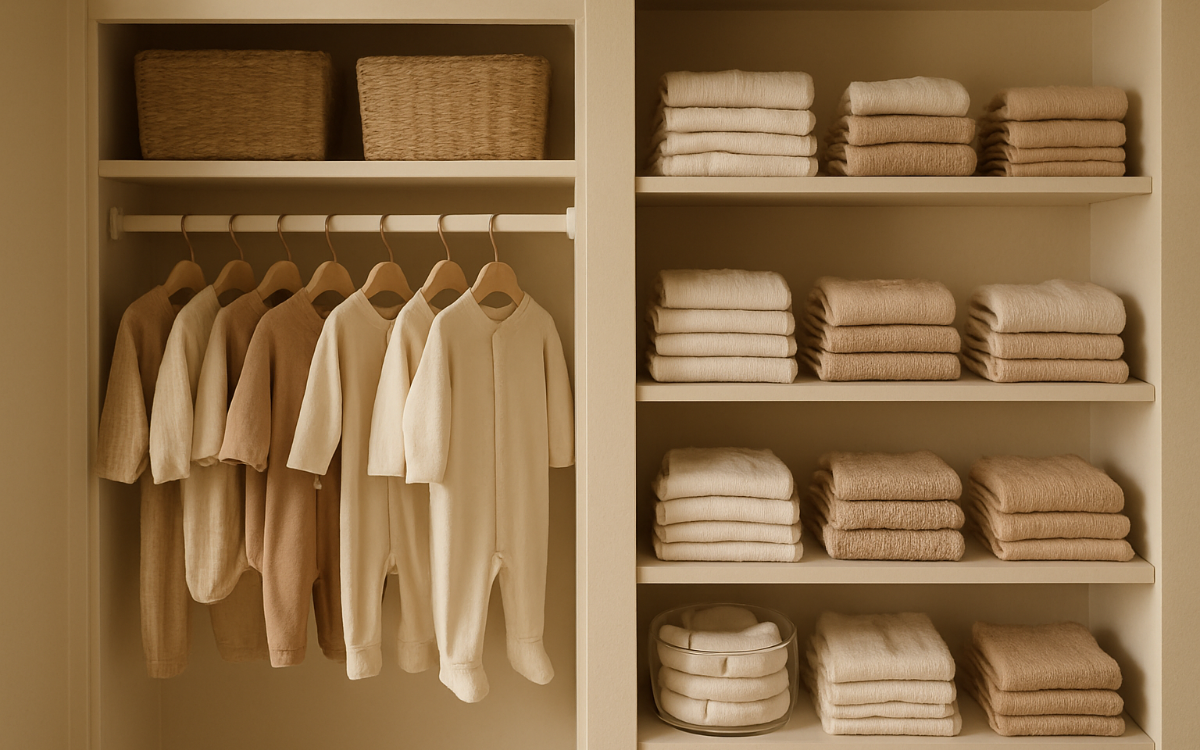
- Buy fewer, better pieces — babies don't need enormous wardrobes. A capsule collection of 10-15 high-quality basics will serve you better than 40 cheap outfits
- Watch for sales at trusted organic brands — many run seasonal promotions, and signing up for email lists often gets you a first-order discount
Key Takeaways
- Newborn skin is thinner and more absorbent than adult skin, making fabric choice genuinely important
- Organic cotton is the safest all-around option, especially with GOTS certification
- Bamboo, muslin, and merino wool are all excellent choices with unique benefits
- Avoid polyester and synthetic fabrics for direct-to-skin wear and sleep
- Look for OEKO-TEX Standard 100 Class I certification as a reliable safety baseline
- Always pre-wash new clothing with fragrance-free detergent
- Prioritize organic for skin-contact basics and save money on outerwear and outer layers
Disclaimer
This article is for informational purposes only and does not constitute medical advice. If your baby develops persistent rashes, skin irritation, or allergic reactions, consult your pediatrician. Fabric sensitivities vary from child to child, and what works well for one baby may not work for another. Always follow your pediatrician's guidance for your baby's specific needs.
Some links on this site may be affiliate links, meaning we may earn a small commission at no extra cost to you if you make a purchase. We only recommend products we genuinely believe in and have researched thoroughly. Our editorial content is never influenced by affiliate partnerships.